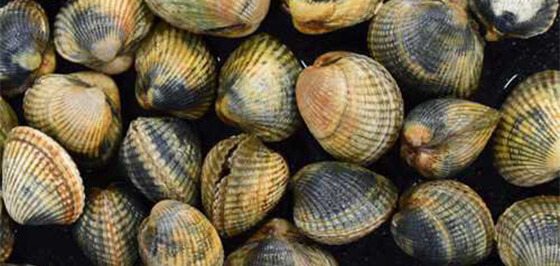
What are Cockles?
Cockles are a Benthic (sea bed residing), crustacean, found in saltwater. Cockles are hand gathered or light dredged and MSC certification is available. Cockles are most abundant from September to April. Alternatives to Cockles would be Clams. Cockles have a mild scent, similar to Cod combined with a somewhat ‘burnt-wood’ aroma.
Texture wise, Cockles have a grittiness in the core which gives the smooth flesh more of a bite. The flavour of Cockles is floral-like and sweet yet very mild meaning they require strong flavoured ingredients to give character to the dish.
Cerastoderma Edule
Wild, Fresh
North East Atlantic

How to store Cockles?
On arrival, rinse the shellfish in cold water and allow to drain. Do not store shellfish in tap water as they will die. Once drained, transfer to preferably a metal or glass container as this will be colder than a plastic container, place in the fridge and cover with a suitable, damp covering, to stop the shellfish drying out. Shellfish live in the sea – they do not live in a fridge so the more they are looked after, the better they will keep!
Related fish
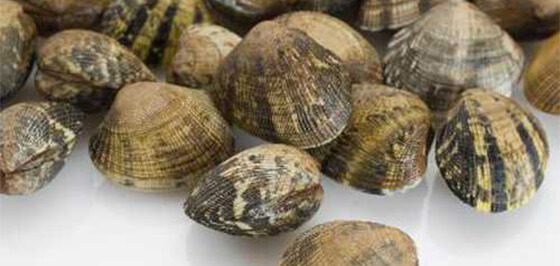
Palourde clams are highly prized bivalve molluscs in the family Veneridae, considered one of the finest varieties of clams.
Learn More
Cockles are edible marine bivalve mollusks with distinctive ribbed, heart-shaped shells that live in sandy coastal areas and filter feed on plankton.
Learn More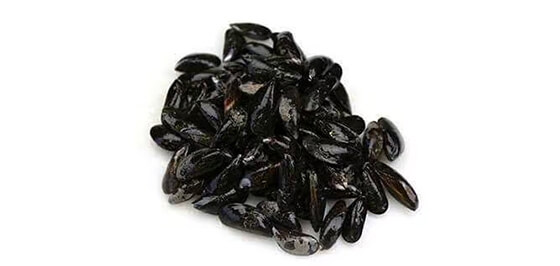
Mussels are bivalve mollusks that attach to rocks, sediments, and various substrates using fibrous byssus threads, inhabiting intertidal and shallow subtidal zones in both marine and freshwater environments worldwide.
Learn More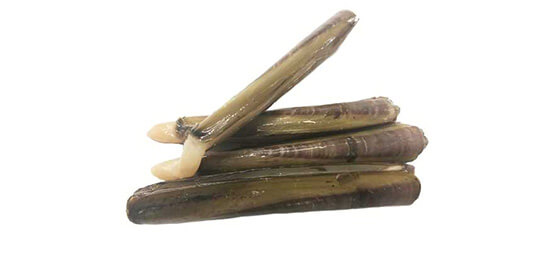
Sweet, briny shellfish; eaten raw, steamed, or in chowders; adds rich depth to pasta sauces and broths.
Learn More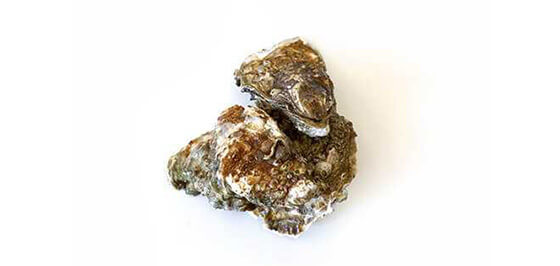
Rock oysters are marine bivalve mollusks that cement themselves to hard surfaces in coastal waters, forming reef structures while filter-feeding on plankton.
Learn More